Modern Ridge logo
Get started
HomePrivacy PolicyCookie PolicyTerms and ConditionsGet started
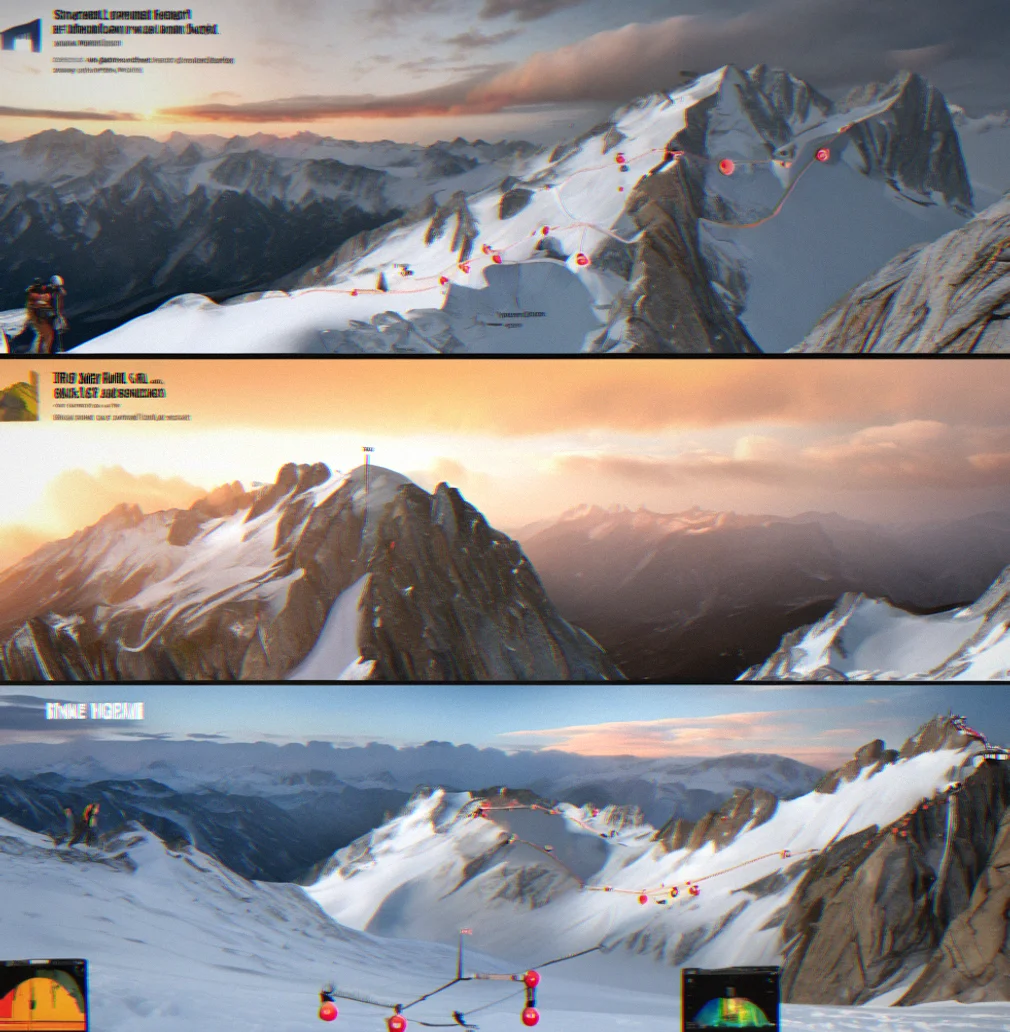
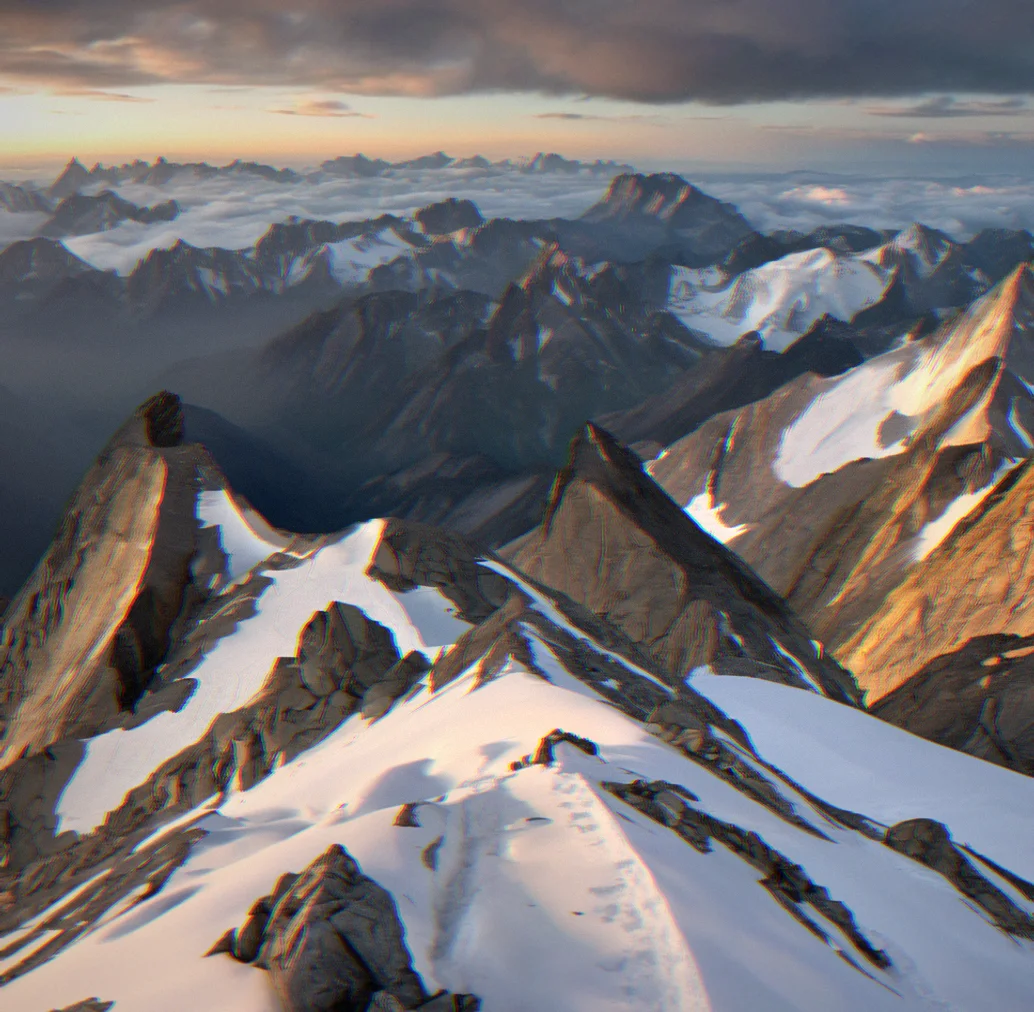
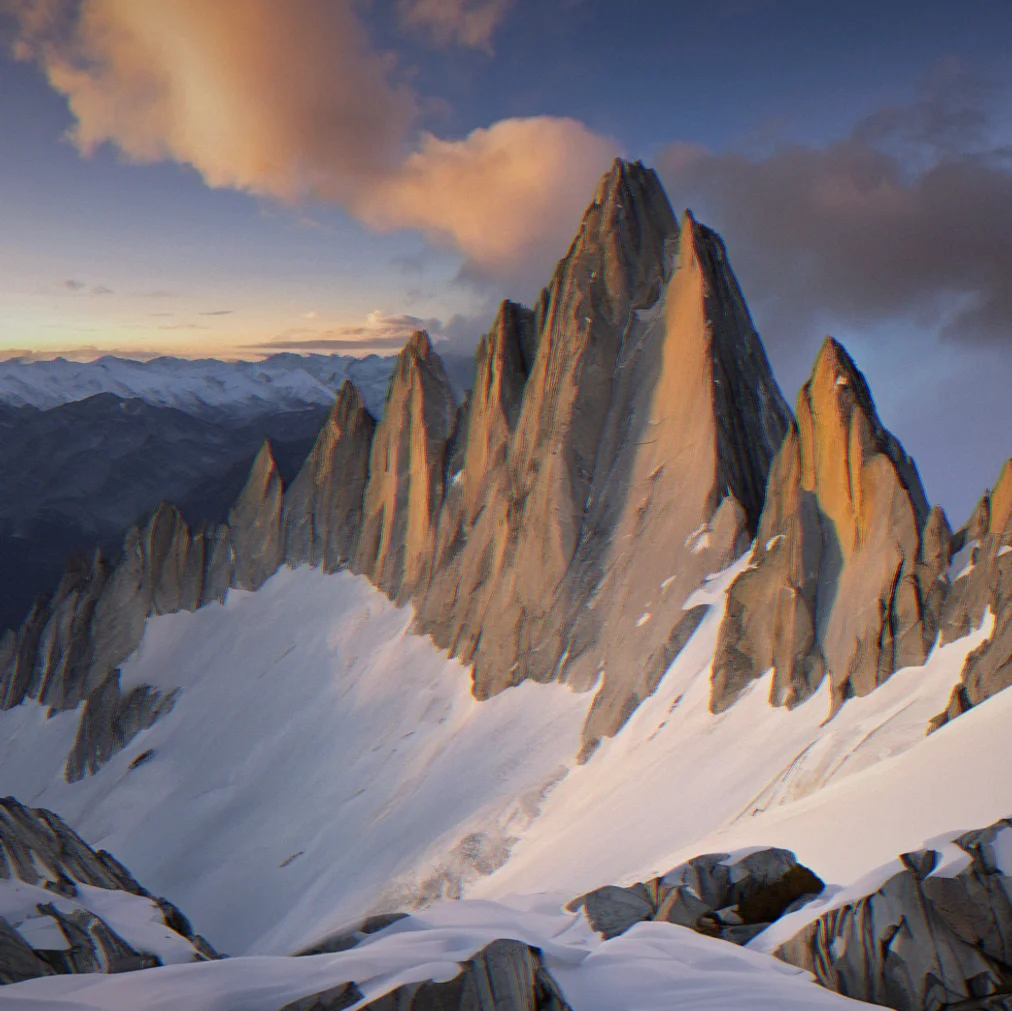
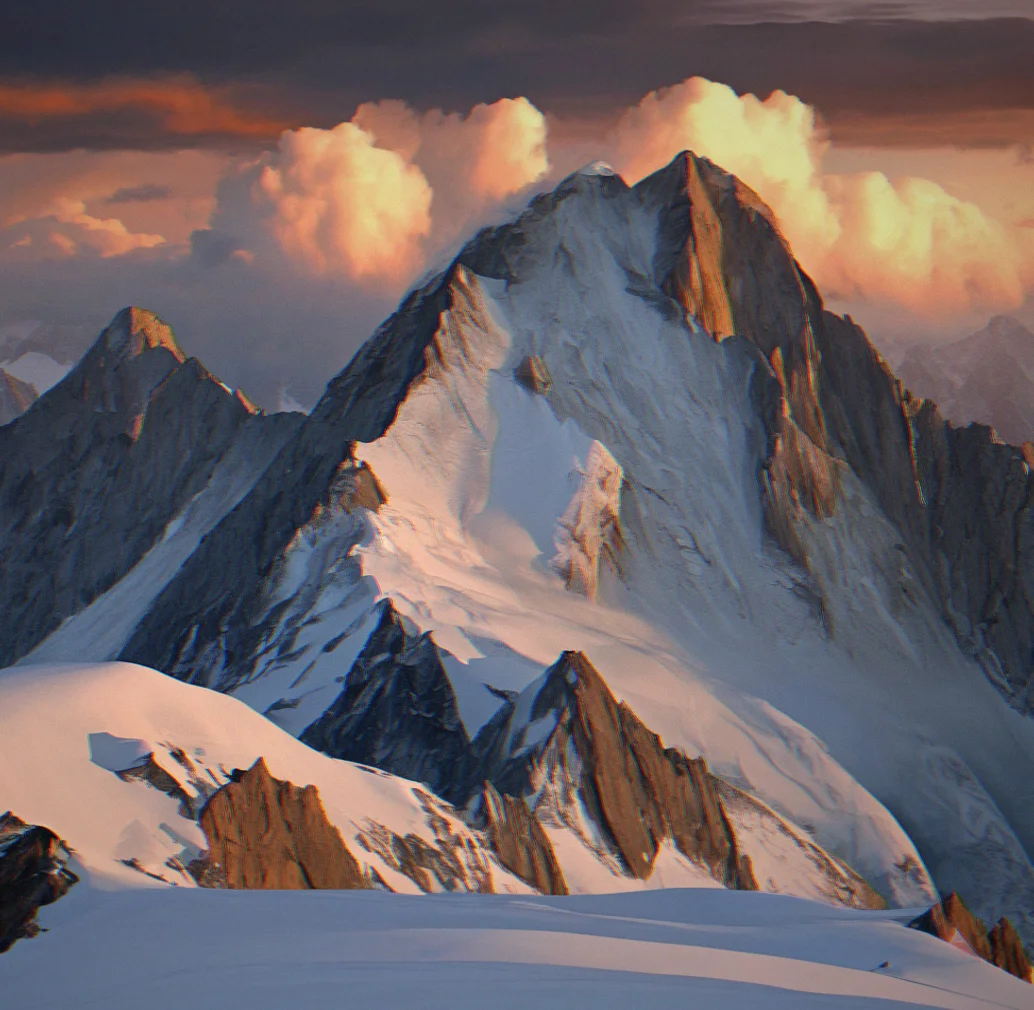
Mountain ridge at dawn with storm clouds moving in over a procedurally-generated peak, glacial terrain viisible below with altitude markers
ALPINE SIMULATION

Survive the Ridge. Master the Mountain.

Procedurally-generated peaks need real mountaineering skill, not fast reflexes.

Modern Ridge builds expeditions around consequence. Wind chill, avalanche risk, altitude sickness—these aren't just difficulty knobs. They reshape your plan on every climb. Base-building forces you to choose between lighter packs for speed and heavier gear for safety. Rescue missions depend on reading the situation, not following a script. Your equipment matters because the mountain doesn't forgive cutting corners. Every choice compounds.

Weather chanegs fast. You climb the window or sit tight for another 6 in-game hours.

Start ClimbingHow It Works

The Core Systems

Three things that decide whether you make it or don't.

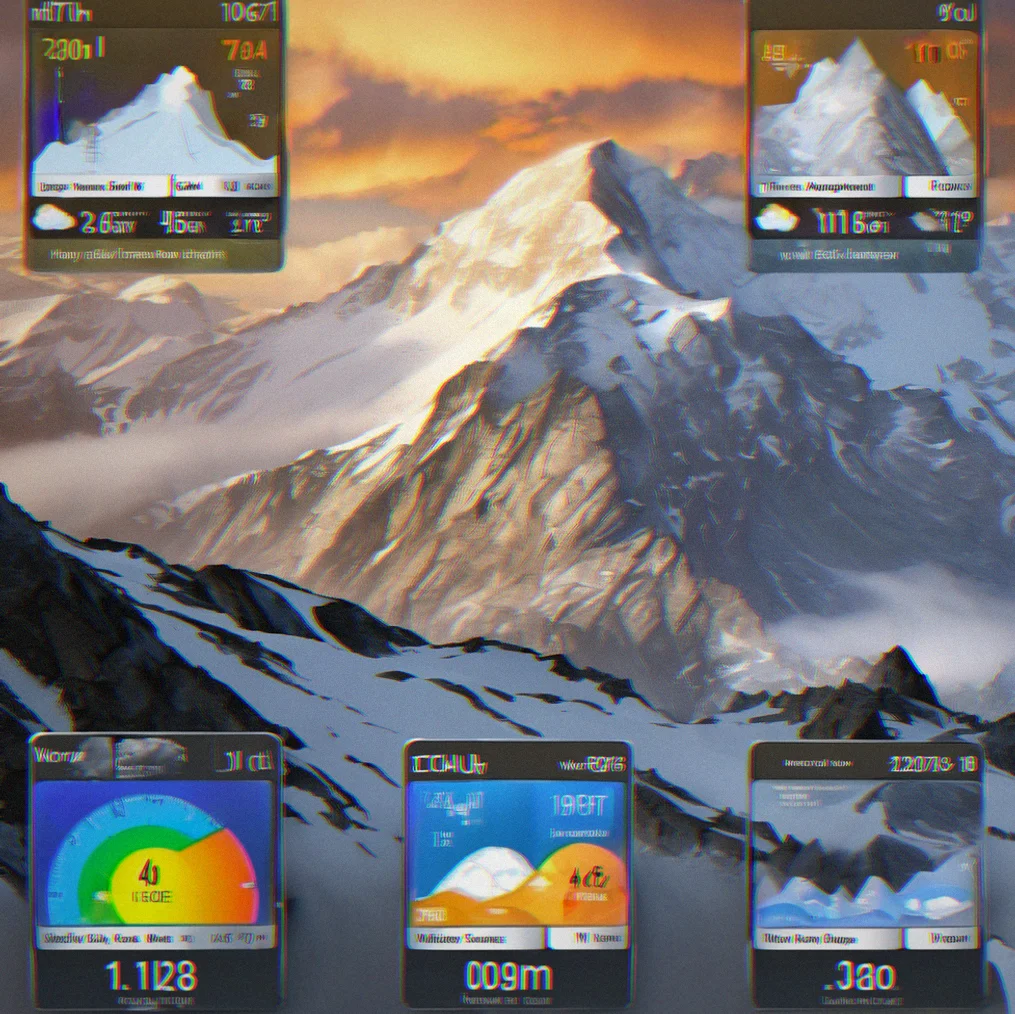
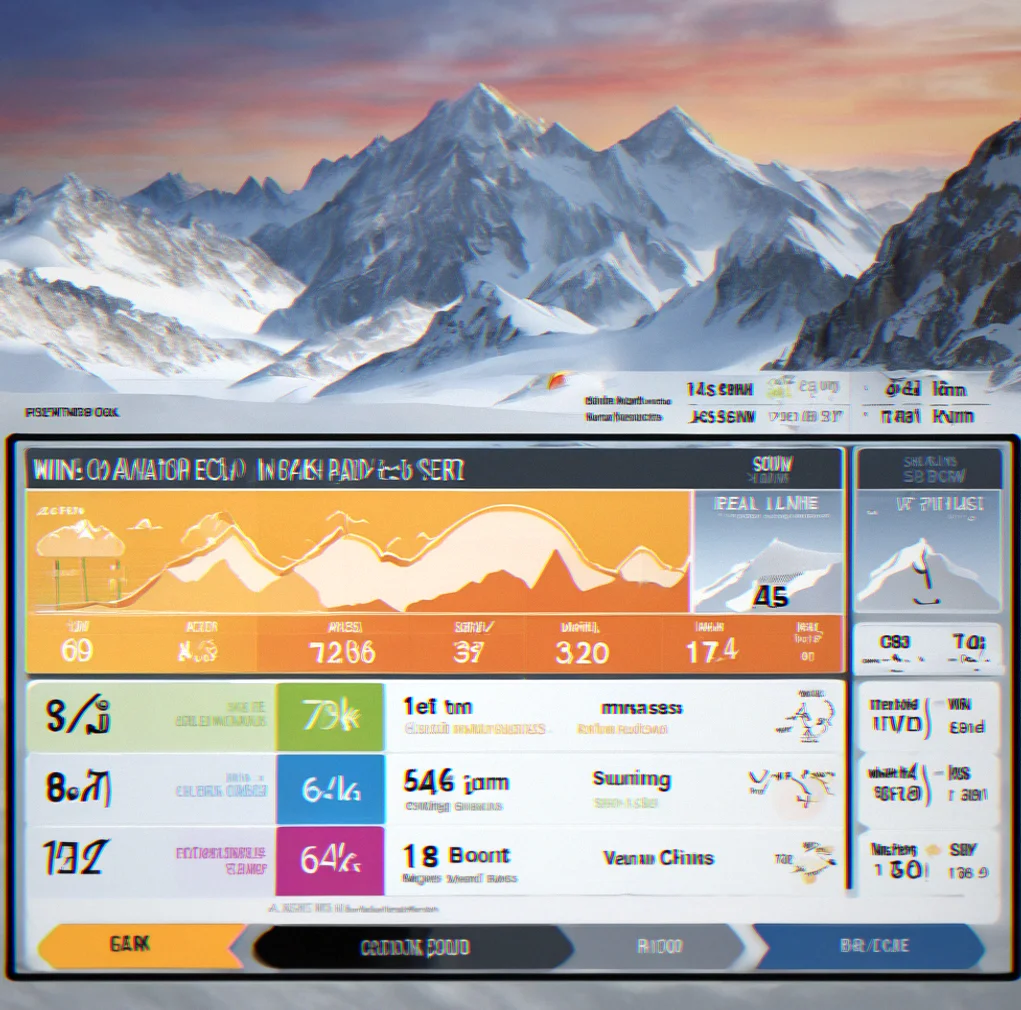
Real-time weather panel showing wind speed, chill factor, precipitation forecast, and avalanche danger rating for current peak

Weather Changes Everything

You get a 6-hour window and then the weather closes. That's your signal to move or wait another full day. Wind at altitude cuts your thermal gear protection in half. Fresh snow means avalanche risk jumps immediately. You check the slope, look at what fell, figure out which way it faces. Guess wrong and there's no do-over.
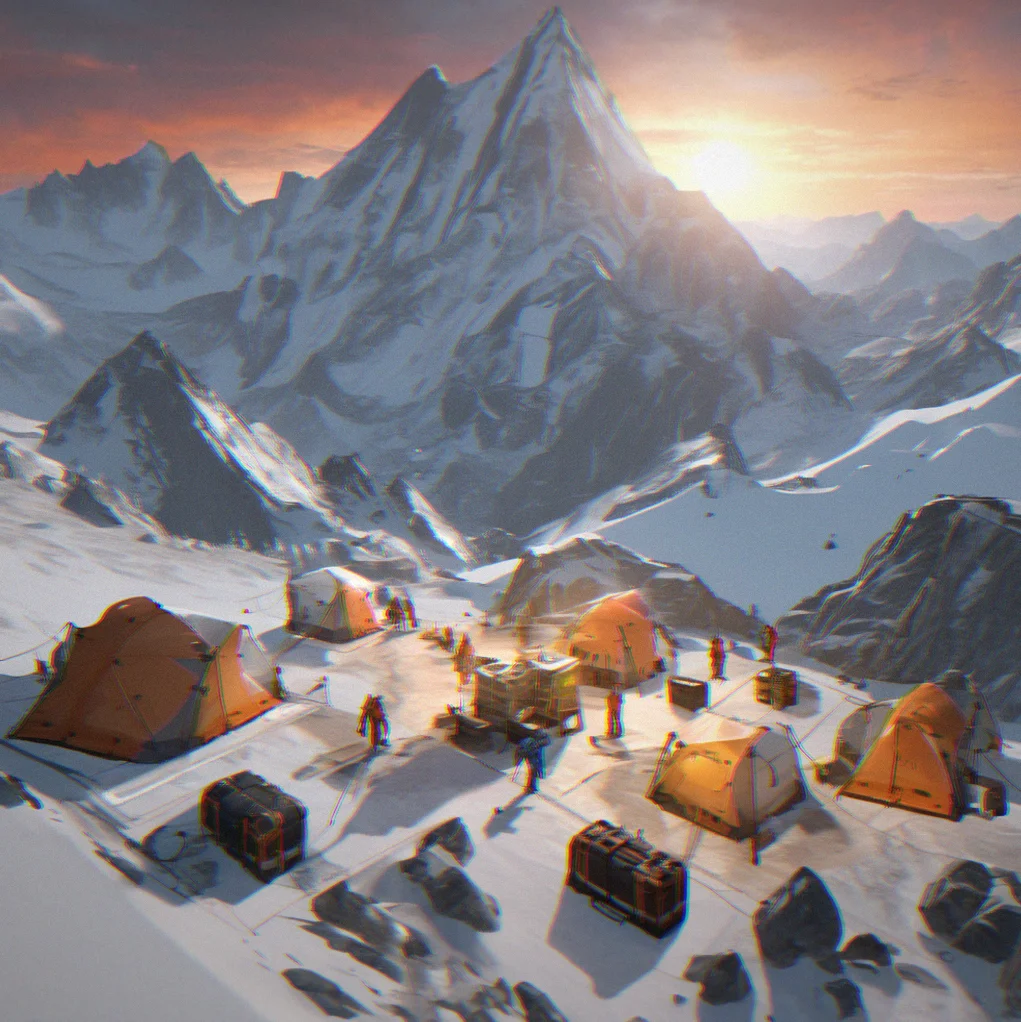
Procedurally-generated base camp with supply crates, equipment progression tiers, and resource inventory UI overlay

You Can't Carry Everything

Your pack holds 40 liters. Pick a lighter sleeping bag and you have room for more rope. Load up on high-calorie food and oxygen cartridges stay behind. Crampons or a second ice axe. Base camps let you store gear but you have to get it up there first. Resupply takes time.

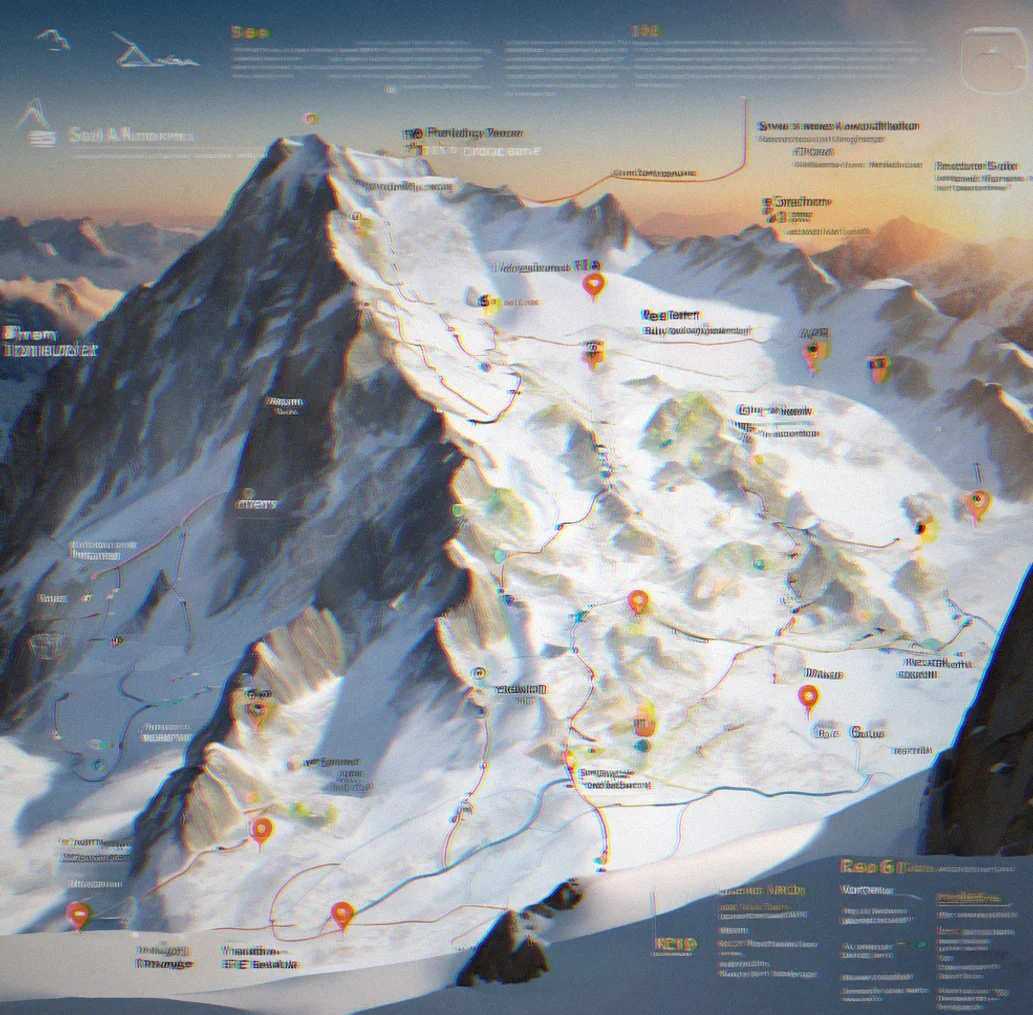
Mountain map interface showing stranded climber location, weather forecast overlay, team position, and equipment loadout options

Rescue Calls Are Judgment Tests

Someone's stranded at 7,200 meters with 3 hours of oxygen. Weather window closes in 90 minutes. Your crew has basic gear. The direct route has a 65% avalanche chance. Fast and light, or geared up and late? No countdown timer. You read the situation and live with what comes next.

Systems That Actually Matter

Five things that separate people who climb casually from people who reach the top.

Altitude Hits Different Up There

First-person view from climber perspective with oxygen meter, vision blur effect and altitude readout at 6,800 meters

Once you cross 2,500 meters your body stops getting enough oxygen. Push too hard without letting your system adjust and you start seeing things that aren't there. Your hands stop working right. You could die. Everything gets narrow and slow. That fuzzy feeling in your head isn't just flavor — it actually breaks how you think when thinking is the only thing keeping you alive.

Gear Wins Over Raw Skill

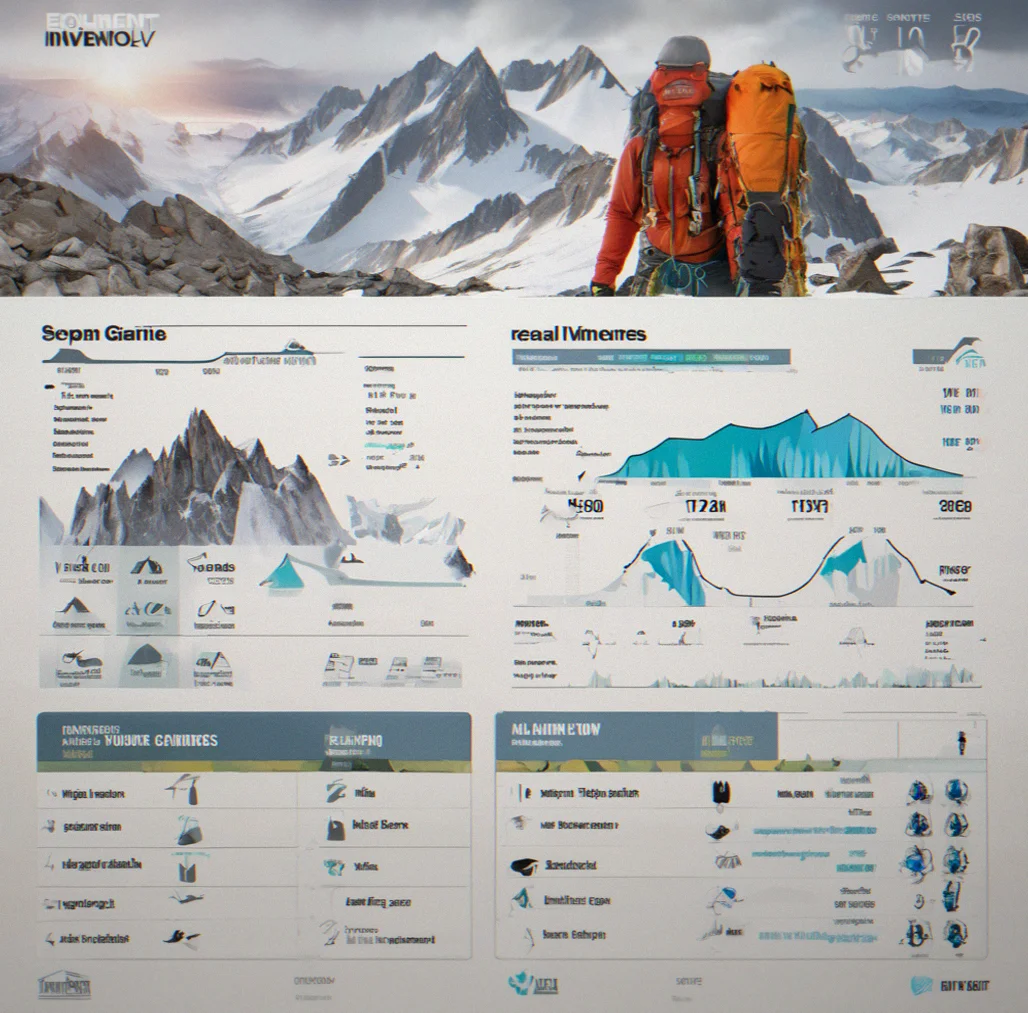
Equipment inventory screen showing tiered thermal gear, crampons variants, oxygen cartridges, and rope types with stats

You begin with rope, basic boots, a sleeping bag that barely works. Crampons open up the icy sections. Oxygen lets you climb higher before your body shuts down. Better thermal layers cut wind damage. Each upgrade you pick up unlocks new mountains and removes the easy excuse that you weren't equipped to try.

No Two Mountains Look Alike

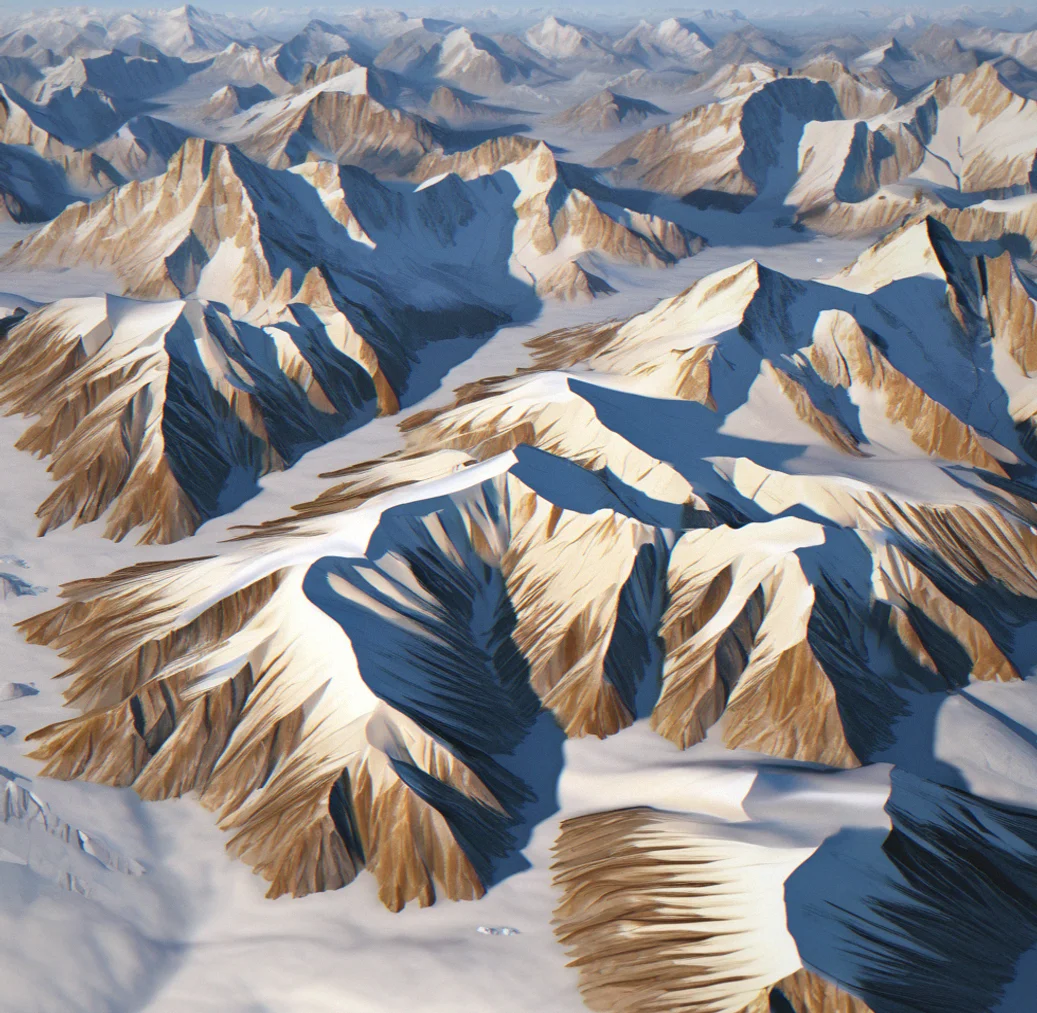
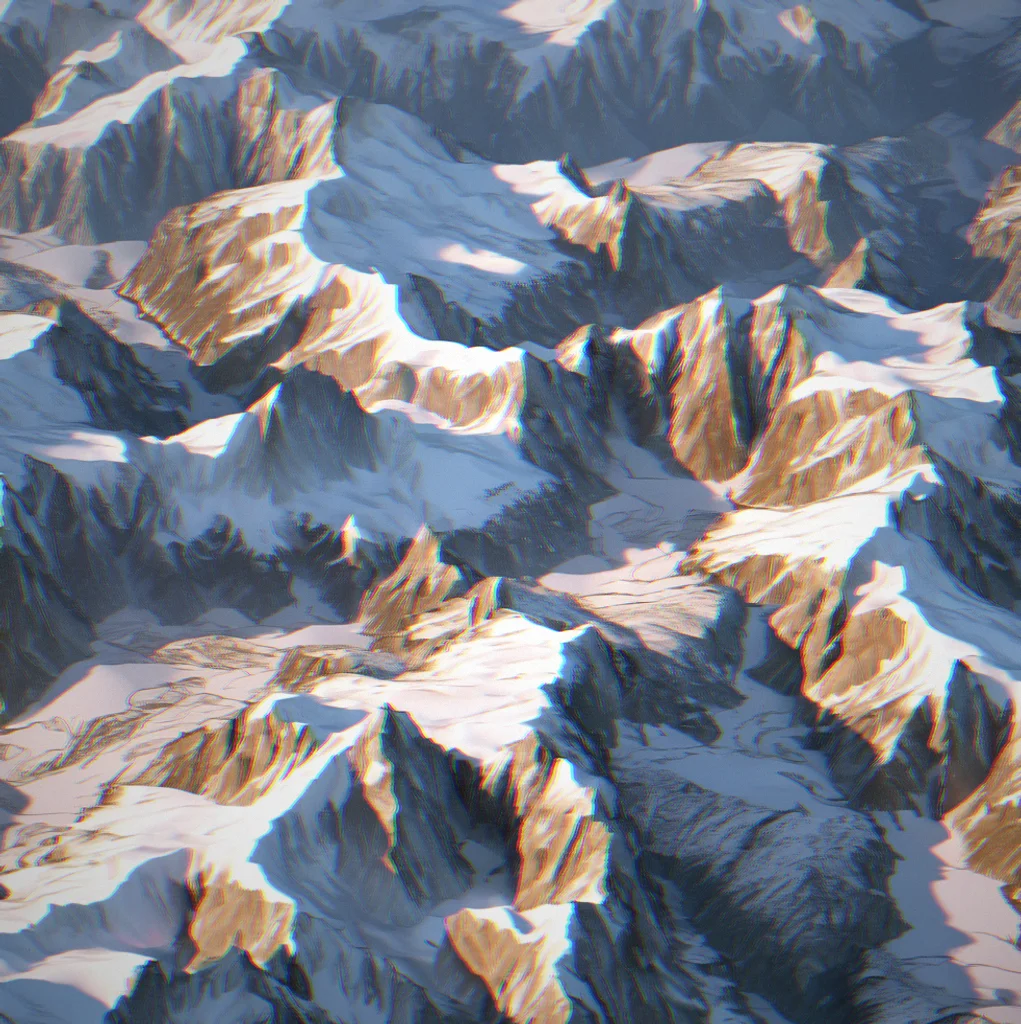
Overhead map view of procedurally-generated mountain range with unique slope patterns, crevasse networks, and elevation contours

The terrain changes every time. Angles shift. Crevasses form in different places. Rock holds up or crumbles. Exposure varies. You can't just repeat what worked before because the route won't exist next time. You have to read what's in front of you, adapt on the move, and live with the consequences if you misread it.

Good Weather Doesn't Last

Weather forecast interface showing hourly wind speed, temperature, precipitation probability and color-coded safety windows

You get 4 to 8 in-game hours of clear skies. Then it rotates. Wind picks up. Rain or snow starts falling. You can barely see. You schedule climbs around these gaps. Miss the window and you're stuck waiting. Take too long deciding and the storm catches you on an exposed slope.

Rescue Choices Matter

Split-screen tactical view showing stranded climber location, team positions across two base camps, supply levels and time indicator

Someone's in trouble. Your team is split between two camps. Do you pull everyone together or spread yourself thin? Oxygen is running low. Weather clears in 90 minutes, then closes for the next day and a half. What do you do? The outcome depends on how you read the situation, not on what the game thinks you should pick.

Inside Modern Ridge

The terrain shifts every time you load in, weather actually matters and one bad call can end your run. You navigate what the game throws at you. There's no compass, no quest markers, no tutorial—just the mountain and whatever choices you make.

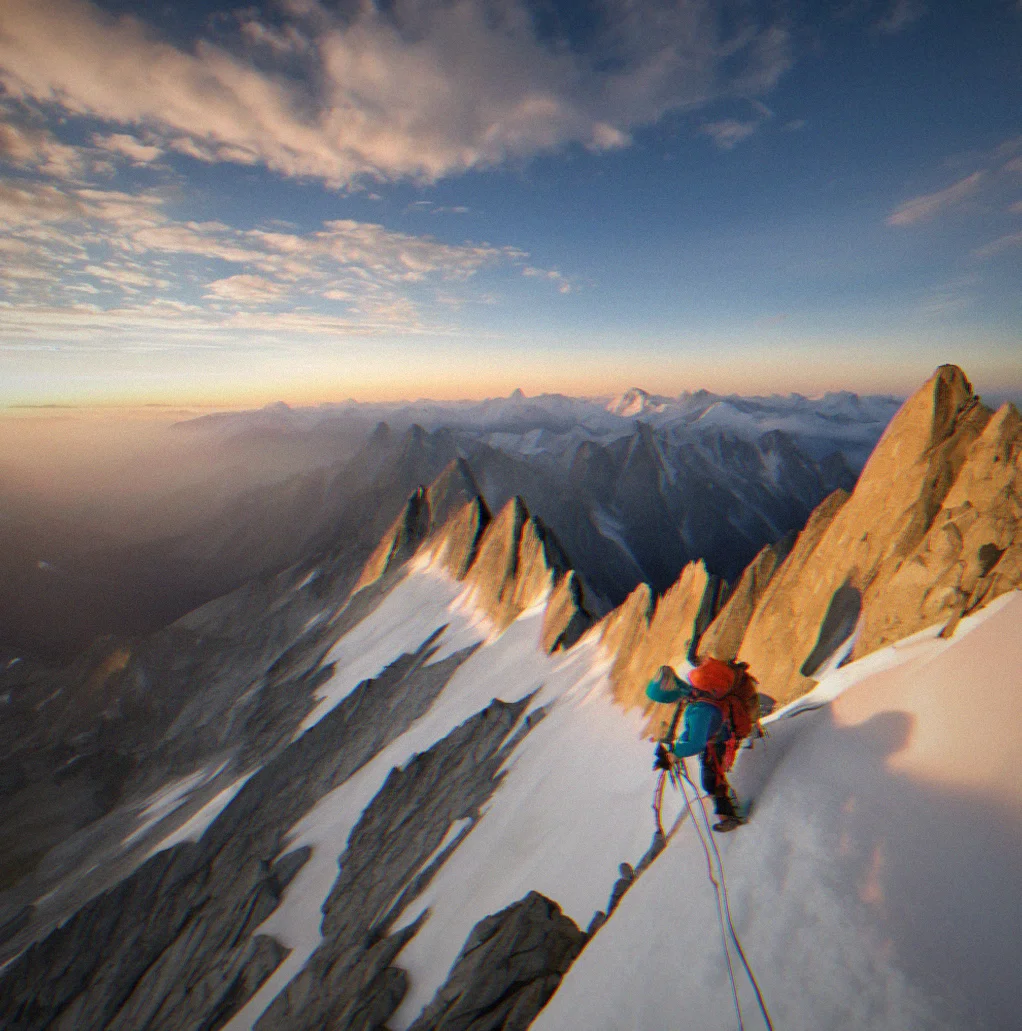
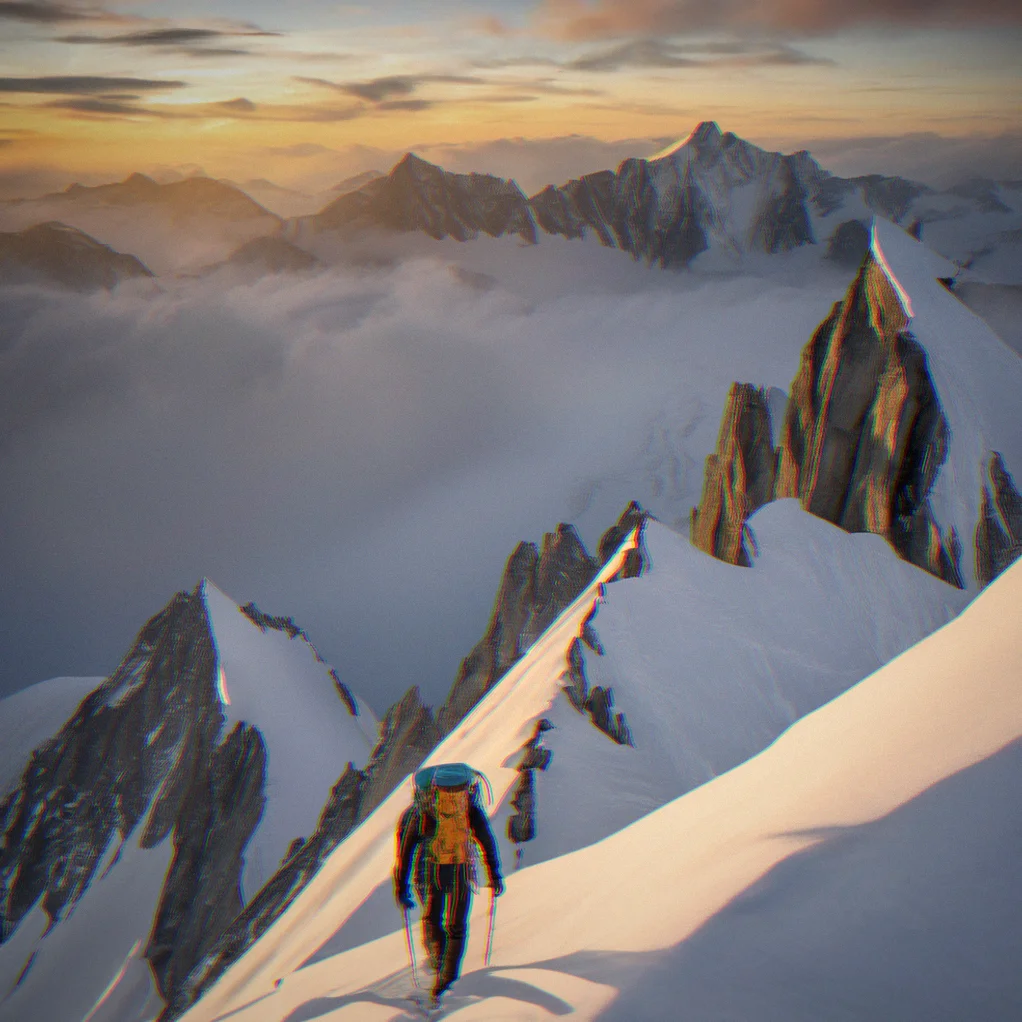
Climber navigating exposed ridge at 6,500 meters with wind-carved snow formations and visible crevasse field below

Ridge traverse in high wind

Climber navigating exposed ridge at 6,500 meters with wind-carved snow formations and visible crevasse field below

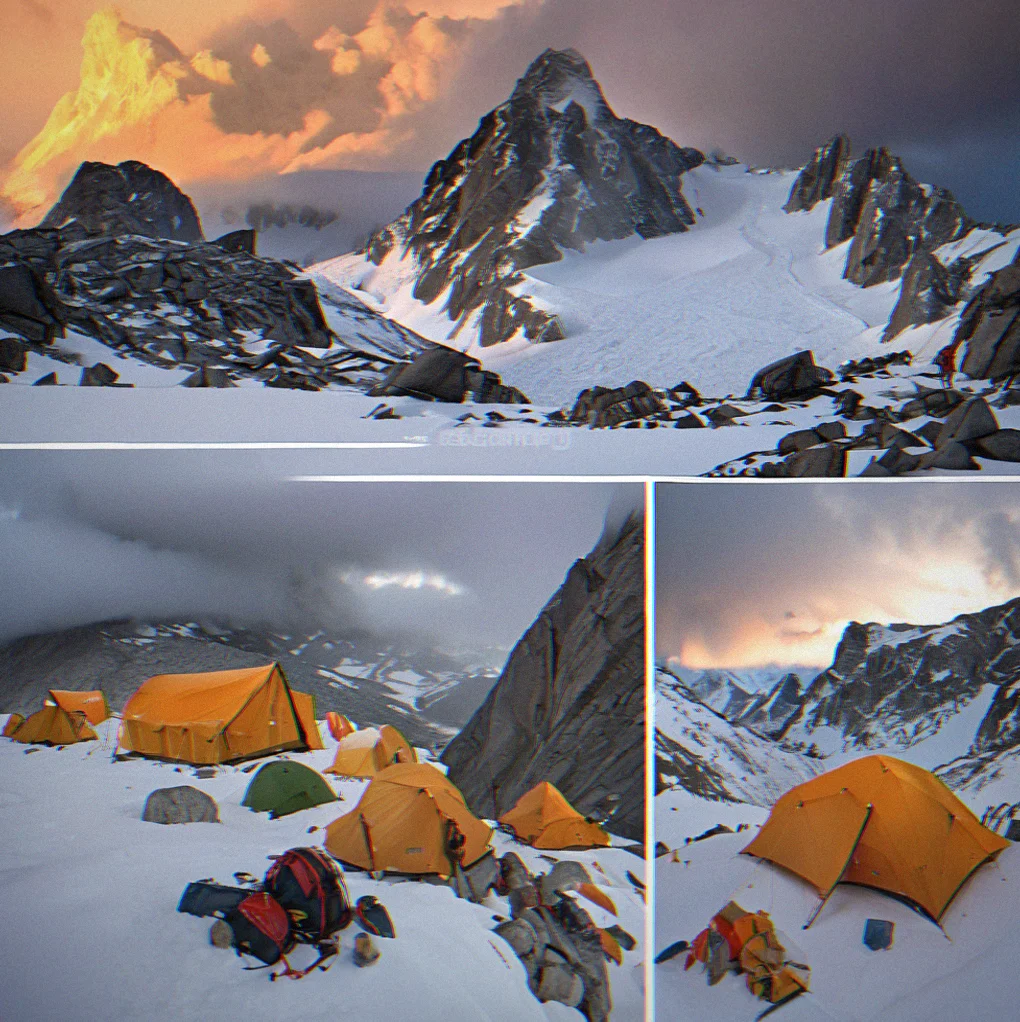
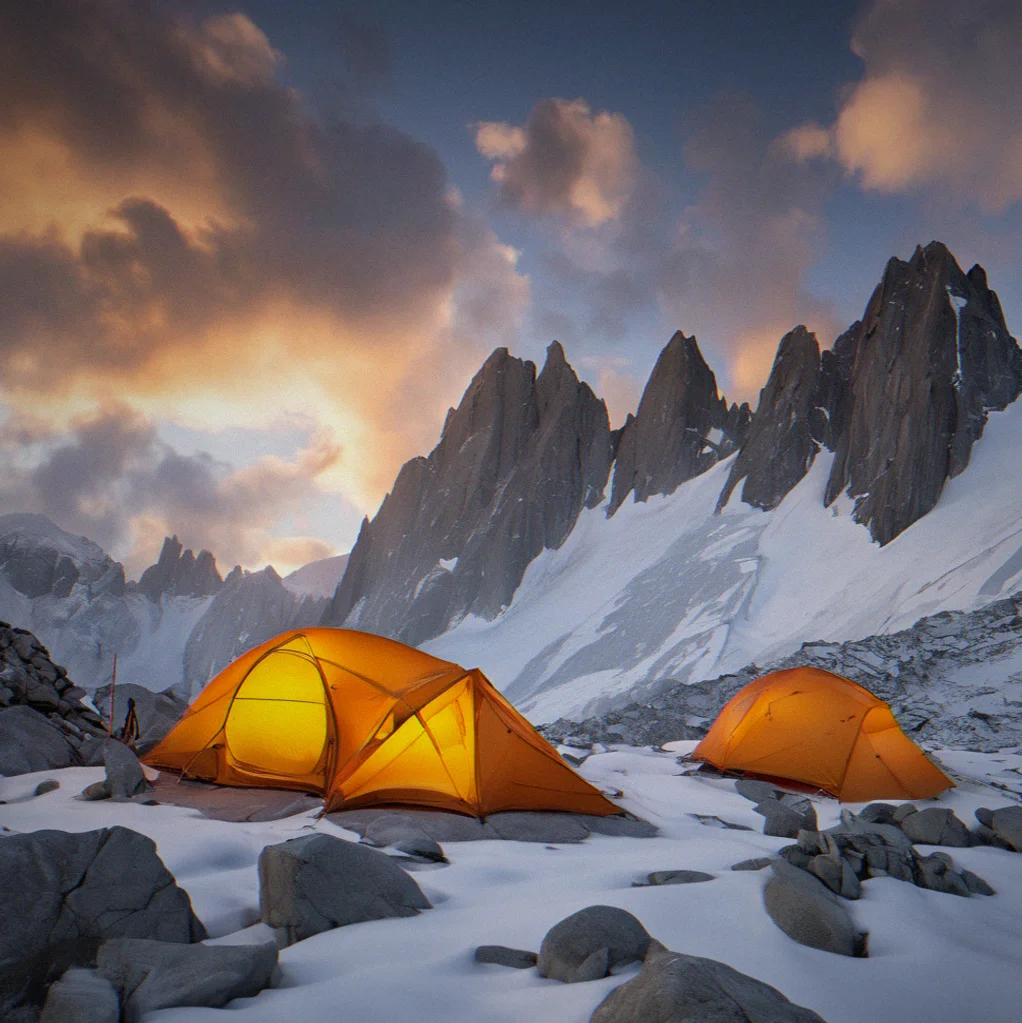
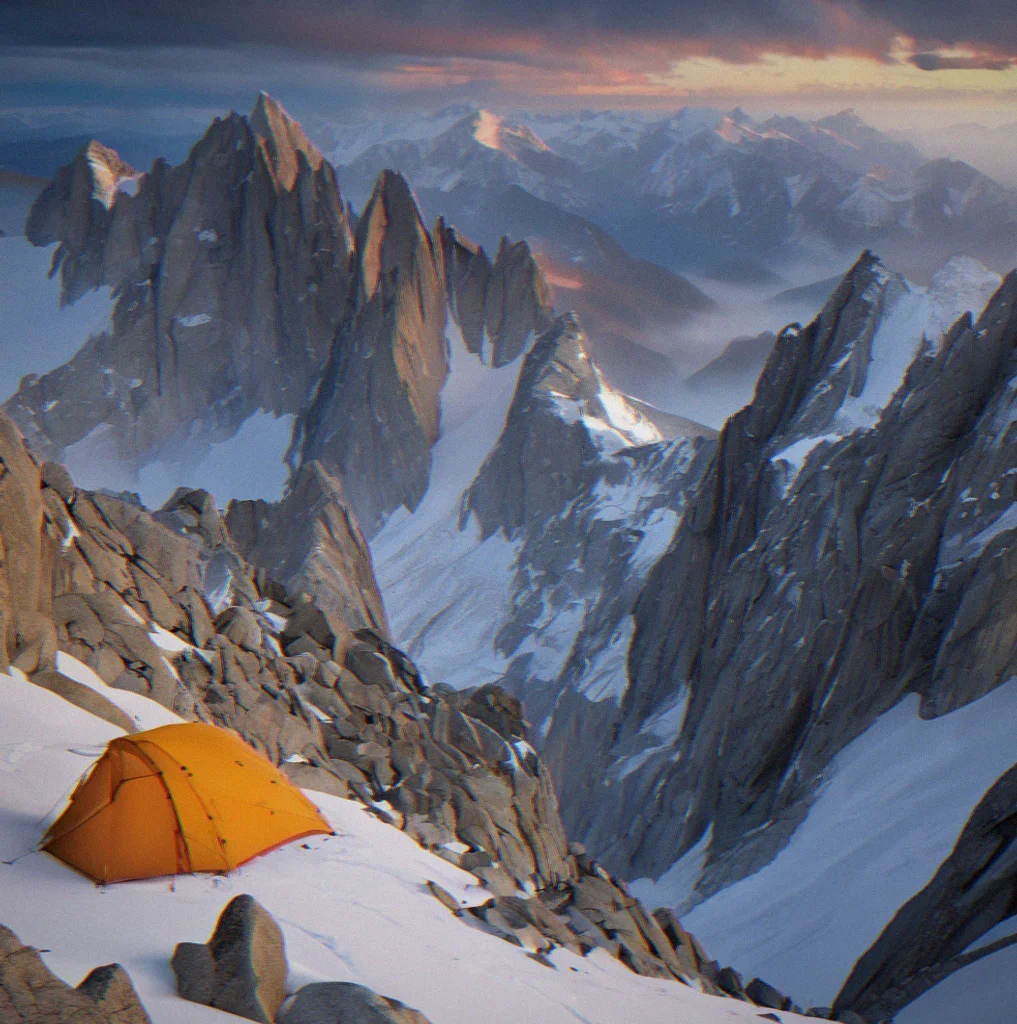
Base camp setup at dawn with supply tents, rope racks, equipment staging area, and storm clouds approaching from the west

Base camp before the push

Base camp setup at dawn with supply tents, rope racks, equipment staging area, and storm clouds approaching from the west

First-person perspective descending through whiteout conditions with visibility limited to 10 meters, altimeter visible in HUD

Coming down blind

First-person perspective descending through whiteout conditions with visibility limited to 10 meters, altimeter visible in HUD

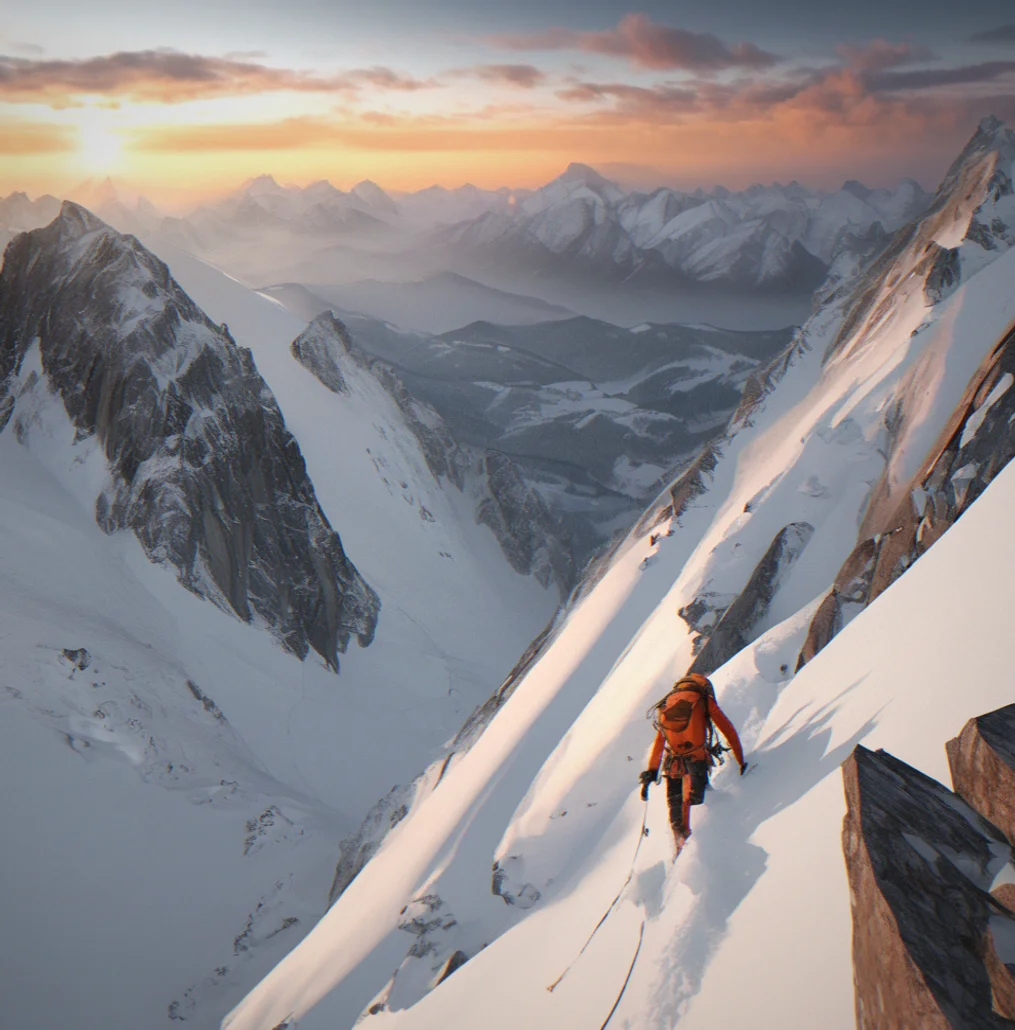
Summit view at 7,243 meters with clear skies breaking through cloud layer below, adjacent peaks visible in distance, oxygen meter critical

Your window's closing

Summit view at 7,243 meters with clear skies breaking through cloud layer below, adjacent peaks visible in distance, oxygen meter critical

RIDGE

How Modern Ridge Works

Five core systems that shape every climb. Learn them or get buried.

Real-time weather forecast showing wind vectors, temperature gradient, and 5-hour clear-sky window before system rotation

Dynamic Weather Rotation

Weather shifts every 4 to 8 in-game hours. Clear windows don't stay open long — when the system rotates, wind picks up to 15+ knots, visibility tanks, and rain or snow moves in. You build your expeditions around these gaps. Miss the window and you're stuck waiting for the next one.

Equipment progression tree showing crampons, oxygen cartridges, thermal insulation layers, and climbing-specific tools with stat modifiers

Equipment Tier Progression

You start basic. Crampons let you handle ice. Oxygen systems push your ceiling higher — without them you're done around 5,500 meters. Thermal gear cuts wind damage by a percentage per tier. Five gear categories total, and unlocking each one either opens new terrain or lets you climb further before hypoxia ruins your judgment.

Inventory management screen with 40-liter pack capacity, weight distribution, and logistical supply chain between base camps

Resource Scarcity at Altitude

Pack capacity is 40 liters. Every item tradea off against something else — lighter sleeping bag means more rope, extra food eats into oxygen reserves. Base camps hold overflow but you have to carry it all up there yourself. Getting resupplied from below takes time and stamina you might need for something else. There's no infinite supply stash.

Procedurally-generated topographic map showing unique slope patterns, crevasse networks, and altitude contours for each peak

Procedural Peak Generation

No two mountains are the same. Slopes, crevasses, rock type all shift between climbs. Routes can't be memorized. You read the peak as you go, adapt to what you're actually seeing, and either your calls work or they don't. Previous climbs teach you nothing because this mountain has never been climbed before.

Tactical decision interface showing stranded climber vitals, team positions, supply inventory, and weather countdown timer

Tactical Rescue Operations

Someone on your team needs to get out. Your other climbers are at different camps. Weather closes in within 90 minutes. Do you split up or consolidate? Move fast or go prepared? No script tells you the right answer. How you handle it determines if they make it.

What You Get

Five reasons to ditch the handholding games.

Overhead map view of 43 unique procedurally-generated peaks with varied elevation profiles and terrain complexity

43 Procedurally-Generated Peaks

Every climb is different. Slope angles, crevasse patterns, rock quality — all generated on the fly. You can't memorize routes. You have to read the terrain as you go or pay the price.

QUESTIONS

FAQ

Actual questions from people thinking about buying this. No spin, just how the game works and what it'll ask of you.

  • Progress on gear sticks around. Once you unlock equipment it's yours to use. Every peak is different though — randomly generated terrain and weather shifts on its own schedule. So you're building a better toolkit while the mountain stays unpredictable.

  • There's no permadeath. Your climber can fail, burn through supplies, get trapped — but you reload to your last base camp and try again. What you lose is time and resources, not the whole run. Some people wanted it harsher, which makes sense.

  • Pausing works for inventory or checking conditions. Once a rescue operation starts or you're locked into a critical choice, the clock keeps running. Storms don't wait for you to grab coffee.

  • Your oxygen level tanks. Vision gets narrow, the UI blurs, you move slower. Your decision-making gets worse because your head's fuzzy. Keep going above 6,500 meters without oxygen and you black out. You wake up lower with worse stats.

  • Gear unlocks through summits, not hours played. Hit 5,000 meters and crampons show up. Top out a peak over 6,800 meters and oxygen gear opens up. You earn what you need by actually climbing, not farming.

  • Anywhere from 4 to 12 hours. Rush it and you skip acclimatization, which means altitude sickness hits harder. Take your time across multiple in-game days and you're safer but slower. How you use those hours is on you.

  • Solo only. The whole thing is built around your decisions and what they cost. Team management happens across different camps, not with other players controlling climbers.

  • Windows run 4 to 8 hours and follow a schedule you can see before you commit. Plan around the forecast or wait for the next cycle. Plenty of players just skip peaks they don't want to rush. The game doesn't force you up a mountain — it makes you pick a strategy and live with it.